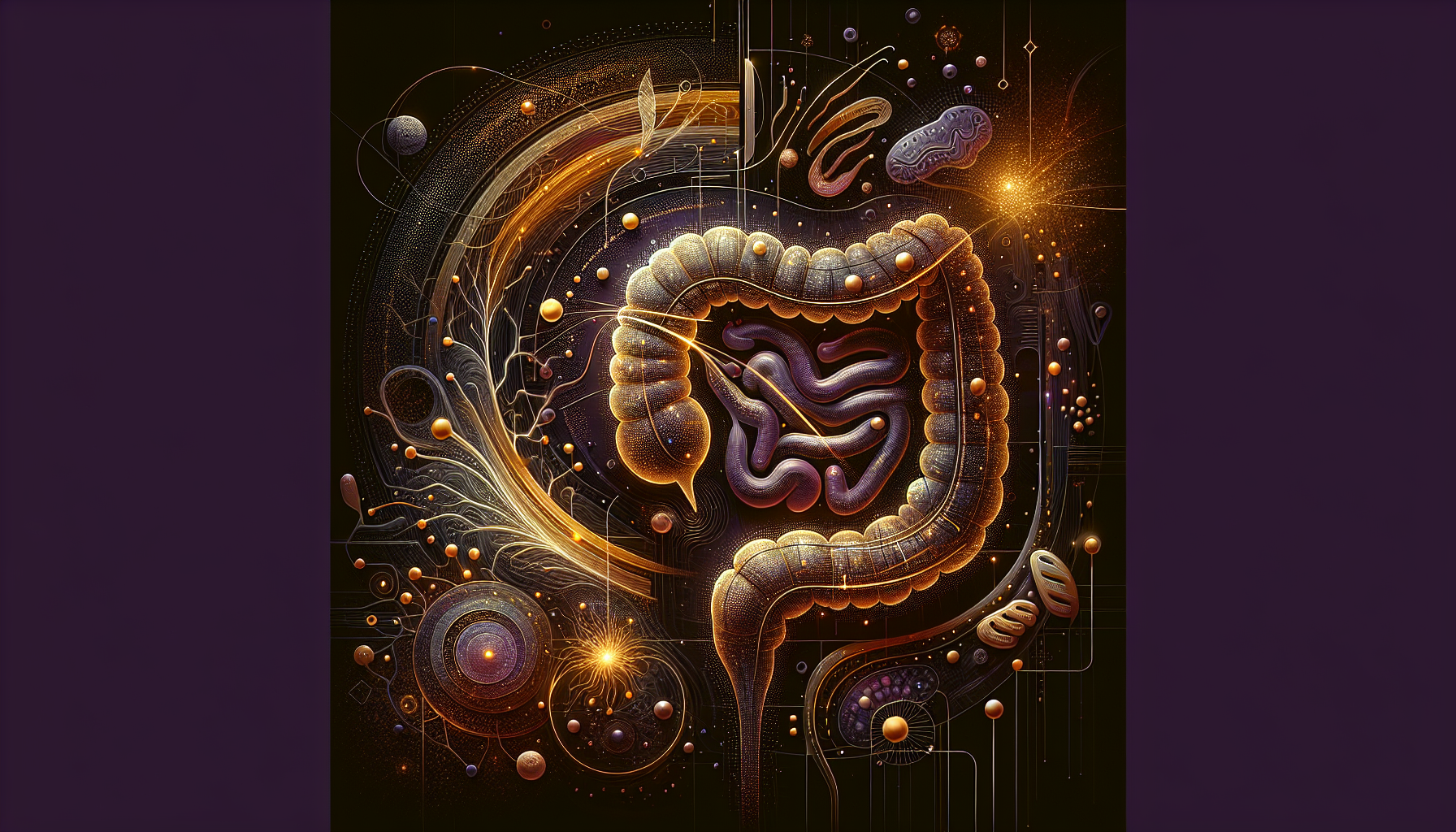
Recent discoveries reveal that melanin-producing cells populate the entire gastrointestinal tract, forming an intricate network that may coordinate gut-brain communication through shared neurotransmitter pathways. This emerging picture suggests that neuromelanin functions as more than just a cellular waste product—it may serve as a critical signaling molecule linking digestive health, mood regulation, and cognitive function.
In the depths of the human gut, beneath layers of mucus and among the trillions of microorganisms that call our intestines home, lies a largely overlooked cellular network. Scattered throughout the enteric nervous system—the gut's own "second brain"—are specialized cells producing the same dark pigment found concentrated in the substantia nigra of our brains: neuromelanin. For decades, researchers focused primarily on melanin's role in skin pigmentation and photoprotection, while neuromelanin was dismissed as merely a byproduct of dopamine metabolism. But mounting evidence suggests these assumptions have blinded us to a sophisticated biological communication system operating at the intersection of our gut, brain, and the microbial communities within us.
The discovery that melanin-producing cells exist throughout the gastrointestinal tract represents more than an anatomical curiosity. These enteric melanocytes and melanin-containing neurons appear strategically positioned to influence gut motility, immune responses, and the very neurotransmitter pathways that govern mood and cognition. What's emerging is a picture of neuromelanin as a central player in the gut-brain axis—the bidirectional communication highway between our digestive system and central nervous system that affects everything from depression to Parkinson's disease.
Neuromelanin's Dual Identity: Protector and Signaler
Unlike the eumelanin that darkens skin and hair, neuromelanin forms through the oxidation of dopamine and norepinephrine—the same neurotransmitters essential for movement, motivation, and mood regulation. This pigment accumulates progressively throughout life in specific brain regions, particularly the substantia nigra and locus coeruleus, where its loss correlates with neurodegenerative diseases like Parkinson's.
Research by Luigi Zecca and colleagues at the Italian National Research Council has revealed neuromelanin's remarkable capacity to bind and sequester toxic metals, particularly iron and copper, protecting neurons from oxidative damage. But neuromelanin does more than just chelate metals. Studies using electron paramagnetic resonance (EPR) spectroscopy show that neuromelanin maintains stable free radical populations—unpaired electrons that can participate in biological signaling processes.
In the gut, neuromelanin appears in enteric neurons that control digestive functions, but also in a previously unrecognized population of melanin-producing cells within the intestinal wall. These cells express tyrosinase, the rate-limiting enzyme in melanin synthesis, and show increased activity in response to inflammation and oxidative stress. The strategic positioning of these melanin-producing cells suggests they may function as biological sensors, detecting and responding to changes in the gut environment.
The Serotonin-Melanin Highway
Perhaps the most intriguing aspect of the gut-melanin connection lies in the shared biosynthetic pathways between neuromelanin and serotonin. Both molecules derive from the amino acid tryptophan, creating a metabolic crossroads where neurotransmitter production intersects with melanin synthesis. The gut produces approximately 90% of the body's serotonin through specialized enterochromaffin cells, and emerging evidence suggests that melanin-producing cells in the gut may directly influence this process.
Research by teams at Johns Hopkins and the University of California has shown that the enzyme tryptophan hydroxylase, which catalyzes the first step in serotonin synthesis, is also expressed in melanin-producing cells throughout the gut. This dual expression pattern suggests that these cells can toggle between producing serotonin for neurotransmission and channeling tryptophan metabolites toward melanin synthesis—potentially serving as a regulatory switch that balances mood-related signaling with cellular protection.
The implications extend beyond simple metabolic flexibility. Serotonin levels in the gut directly influence intestinal motility, immune function, and the gut-brain communication that affects mood and behavior. If melanin-producing cells help regulate serotonin availability, they may serve as master controllers of gut-brain signaling, explaining why disruptions in neuromelanin production are associated with both gastrointestinal disorders and neuropsychiatric conditions.
Microbiome Modulation of Melanin Pathways
The gut microbiome adds another layer of complexity to this emerging picture. Bacterial species within our intestines don't just passively coexist with human cells—they actively modify the chemical environment through their metabolic activities. Several bacterial strains, including Lactobacillus and Bifidobacterium species, produce enzymes that can break down tryptophan into various metabolites, some of which serve as precursors for both serotonin and melanin synthesis.
Studies by researchers at the Karolinska Institute have demonstrated that germ-free mice—animals raised without any gut bacteria—show significantly altered neuromelanin levels in brain regions compared to conventionally raised mice. When these germ-free animals are colonized with specific bacterial strains, their neuromelanin patterns shift in predictable ways, suggesting direct microbial influence on melanin production pathways.
The microbiome's influence extends beyond simple precursor availability. Certain bacterial metabolites, particularly short-chain fatty acids produced through fiber fermentation, can cross the gut-brain barrier and directly affect neuromelanin-producing cells in the brain. This creates a remarkable scenario where the bacterial communities in our gut can influence the very pigment molecules that protect our neurons from degeneration.
Clinical Implications and Therapeutic Frontiers
The recognition of gut-melanin connections opens new therapeutic avenues for conditions ranging from inflammatory bowel disease to neurodegenerative disorders. Patients with Parkinson's disease often experience gastrointestinal symptoms years before motor symptoms appear, and recent studies suggest that neuromelanin loss in gut neurons may precede the more familiar neuromelanin depletion in the substantia nigra.
Research teams are now investigating whether supporting gut melanin production through targeted nutrition or microbiome modulation could slow neurodegenerative processes. Preliminary studies suggest that compounds like N-acetylcysteine and specific polyphenols can enhance neuromelanin synthesis in both gut and brain tissues, potentially offering neuroprotective benefits through the gut-brain axis.
The therapeutic potential extends to psychiatric conditions as well. Given the shared tryptophan pathways between serotonin and melanin synthesis, interventions that optimize this metabolic balance could address both mood disorders and the oxidative stress that underlies many chronic diseases. Some researchers are exploring whether probiotics specifically selected for their ability to produce melanin precursors could serve as novel treatments for depression and anxiety.
Key Takeaways
• Neuromelanin-producing cells exist throughout the gut and may serve as regulatory switches between neurotransmitter production and cellular protection pathways.
• The shared biosynthetic pathways between neuromelanin and serotonin create a metabolic crossroads where mood regulation intersects with oxidative stress protection.
• Gut bacteria directly influence neuromelanin levels both locally and in the brain through their metabolism of tryptophan and production of neuroactive compounds.
• Gastrointestinal symptoms in Parkinson's disease may reflect early neuromelanin loss in gut neurons, suggesting the gut-brain axis plays a role in neurodegeneration.
• Therapeutic interventions targeting gut melanin production could offer new approaches for treating both neurodegenerative and psychiatric conditions.
• The strategic positioning of melanin-producing cells in the gut suggests they function as biological sensors that detect and respond to environmental changes affecting both local and systemic health.
References
Zecca, L., Youdim, M. B., Riederer, P., Connor, J. R., & Crichton, R. R. "Iron, brain ageing and neurodegenerative disorders." Nature Reviews Neuroscience 5(11), 863-873 (2004).
Gershon, M. D. "5-Hydroxytryptamine (serotonin) in the gastrointestinal tract." Current Opinion in Endocrinology, Diabetes and Obesity 20(1), 14-21 (2013).
Yano, J. M., Yu, K., Donaldson, G. P., Shastri, G. G., Ann, P., Ma, L., ... & Hsiao, E. Y. "Indigenous bacteria from the gut microbiota regulate host serotonin biosynthesis." Cell 161(2), 264-276 (2015).
Sampson, T. R., Debelius, J. W., Thron, T., Janssen, S., Shastri, G. G., Ilhan, Z. E., ... & Mazmanian, S. K. "Gut microbiota regulate motor deficits and neuroinflammation in a model of Parkinson's disease." Cell 167(6), 1469-1480 (2016).
Sulzer, D., Cassidy, C., Horga, G., Kang, U. J., Fahn, S., Casella, L., ... & Edwards, R. H. "Neuromelanin detection by magnetic resonance imaging (MRI) and its promise as a biomarker for Parkinson's disease." npj Parkinson's Disease 4(1), 1-13 (2018).
Cryan, J. F., O'Riordan, K. J., Cowan, C. S., Sandhu, K. V., Bastiaanssen, T. F., Boehme, M., ... & Dinan, T. G. "The microbiota-gut-brain axis." Physiological Reviews 99(4), 1877-2013 (2019).